

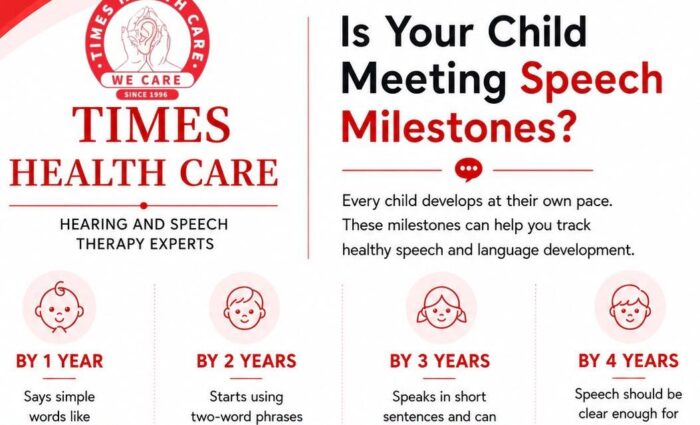
Watching your child grow is one of life’s most rewarding experiences. From their first smile to their first steps, every milestone is a sign of healthy progress. While each child develops at their own pace, understanding child development milestones helps parents feel confident and recognize when extra support may be needed.
This guide explores milestones from birth to age five, explains why early childhood development matters, and shares practical tips to encourage growth at home.
🧠 Why Early Childhood Development Matters
The first five years are a time of incredible growth. Your child’s brain develops faster during this period than at any other stage of life. Positive experiences during these years help children build:
- Strong language abilities
- Emotional regulation
- Problem-solving skills
- Confidence and independence
- Social relationships
Supporting healthy brain development lays the foundation for lifelong learning and well-being.
👶 Birth to 6 Months: First Steps of Growth
Babies rapidly adapt to the world around them.
- Physical: Lifting head, rolling over, pushing up on arms
- Fine Motor: Grasping fingers, reaching for toys, bringing hands to mouth
- Communication: Smiling responsively, cooing, recognizing voices
- Social: Enjoying face-to-face interaction, showing excitement during play
🍼 6 to 12 Months: Curiosity Takes Over
This stage brings exciting changes as babies become more active.
- Gross Motor: Sitting, crawling, pulling to stand, cruising along furniture
- Fine Motor: Picking up small objects, pointing, using a pincer grasp
- Cognitive: Understanding cause and effect, searching for hidden toys
- Communication: Responding to name, babbling, saying “Mama” or “Dada”
🚶 1 to 2 Years: Independence Begins
Toddlers experience tremendous growth in learning and independence.
- Physical: Walking, climbing stairs, kicking a ball
- Fine Motor: Stacking blocks, scribbling, turning book pages
- Communication: Learning new words, following instructions, combining words
- Social: Playing alongside peers, showing affection, imitating adults
🧩 2 to 3 Years: Language and Imagination Bloom
- Physical: Running confidently, jumping, climbing playground equipment
- Fine Motor: Drawing circles, building towers, opening containers
- Cognitive: Solving puzzles, sorting shapes, pretend play
- Communication: Speaking in short sentences, asking questions, naming objects
🎨 3 to 5 Years: Preschool Readiness
Preschool years prepare children for school and lifelong learning.
- Physical: Hopping, balancing, riding a tricycle
- Fine Motor: Drawing shapes, using scissors, writing letters
- Cognitive: Counting, recognizing letters, understanding time concepts
- Communication: Telling stories, asking complex questions, clear speech
- Social: Sharing, cooperating, following rules during games
💖 Emotional Development
Children gradually learn to:
- Express emotions appropriately
- Build confidence
- Handle disappointment
- Develop empathy
- Form secure relationships
🤝 Social Skills
Strong social skills help children build friendships and communicate effectively. Encourage sharing, listening, taking turns, and resolving conflicts through play and family activities.
🗣️ Supporting Communication Skills at Home
Parents play a major role in developing communication skills. Try:
- Reading daily
- Singing songs and rhymes
- Talking during routines
- Encouraging questions
- Limiting screen time
🧩 Encouraging Cognitive Skills
Boost cognitive skills with:
- Puzzles and memory games
- Imaginative play
- Open-ended questions
- Exploring nature together
🏃 Fine vs Gross Motor Skills
- Fine Motor: Small movements (holding crayons, buttoning clothes, writing)
- Gross Motor: Large movements (walking, running, climbing, throwing balls)
Both are equally important for overall development.
🩺 Developmental Screening & Early Intervention
A developmental screening helps identify whether a child is meeting milestones. If delays are found, early intervention — such as speech or occupational therapy — can make a big difference.
⚠️ Signs That May Need Professional Evaluation
Seek advice if your child:
- Isn’t babbling by 12 months
- Has very few words by 18 months
- Doesn’t walk by 18 months
- Frequently loses skills
- Struggles to interact socially
🏡 Everyday Parenting Tips
- Read together daily
- Encourage outdoor play
- Limit screen time
- Celebrate effort, not perfection
- Create consistent routines
- Provide peer interaction opportunities
- Spend quality time together
📚 FAQs
Is it normal if my child reaches milestones later? Yes. Every child develops at their own pace. Minor differences are common, but persistent delays should be discussed with a professional.
What causes developmental delays? They may be due to genetic factors, hearing/vision issues, neurological conditions, or environmental influences.
Why is early intervention important? It takes advantage of rapid brain growth, helping children build skills during the most adaptable years.
🌟 Conclusion
Understanding child development milestones empowers parents to support growth with confidence. From physical development and communication skills to social skills and cognitive skills, every stage brings exciting opportunities for learning.
If you have concerns about your child’s development, consider a developmental screening. Early support can make a meaningful difference in helping children reach their full potential.
👉 Book a developmental evaluation with Times Health Care today to support your child’s journey toward healthy growth.
